
Cravings and Triggers: How to Beat Them
Date: July 29, 2026
From: Stop Smoking Guru
A craving can feel like it will last forever. In reality, most urges to smoke peak and fade within a few minutes. Learning to ride them out, and to see them coming, is the core skill of staying smoke-free.
What a craving is
Cravings come from two places. Early on, falling nicotine levels create a physical pull. Later, most cravings are triggered by cues the brain has linked to smoking over years: a time, a place, a feeling, a smell, a person. The physical pull fades within weeks; cue-driven cravings fade more slowly, but they get weaker each time you get through one without smoking.
Common triggers
| Trigger | Why it bites | Try instead |
|---|---|---|
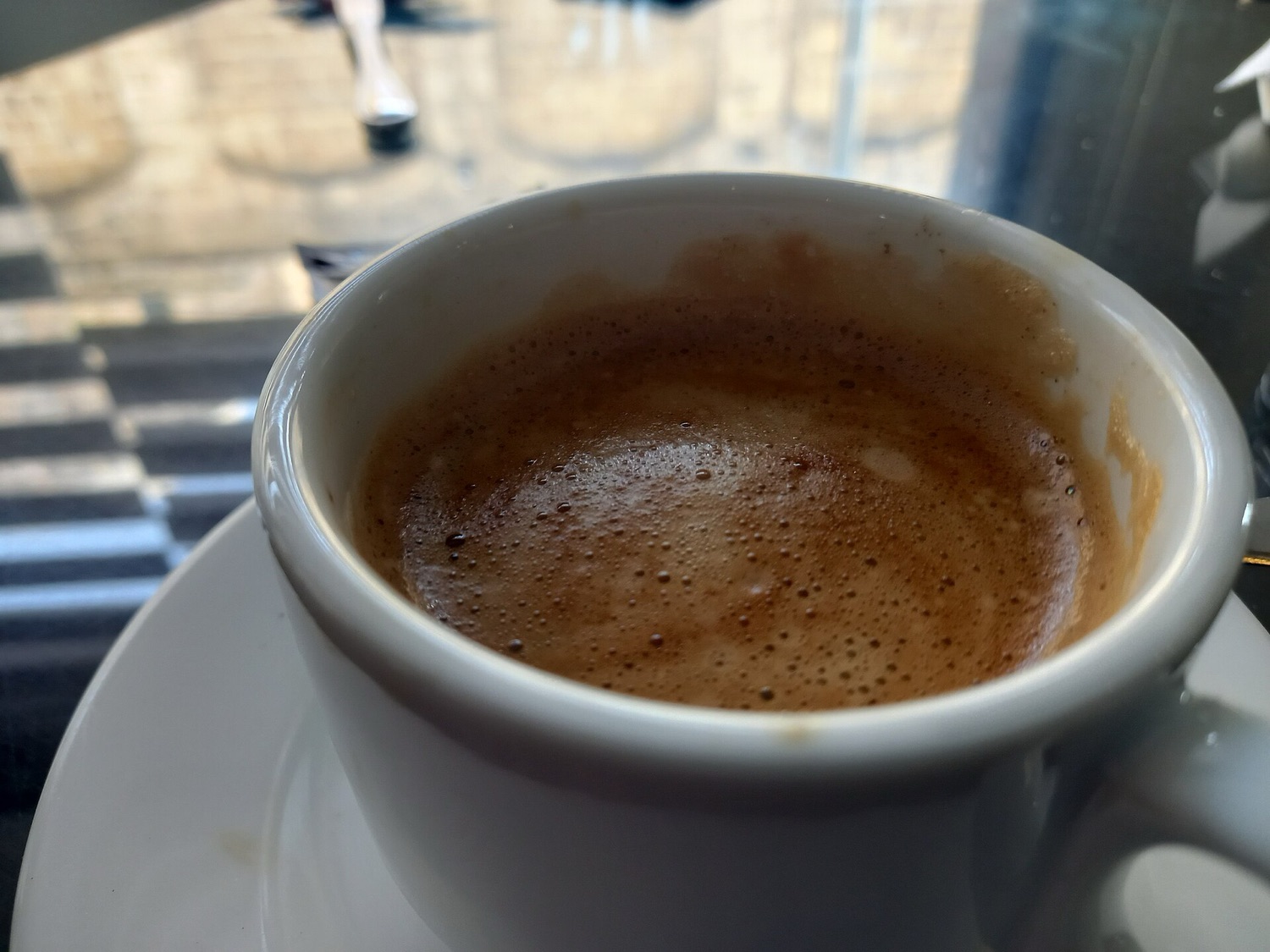
| Morning coffee | Often the first cigarette of the day. | Change the cup, the chair or the drink for a few weeks; take a short walk after. |
| After meals | A deeply ingrained ritual. | Get up from the table straight away; brush your teeth; chew gum. |
| Alcohol | Lowers your guard and is linked to smoking for many. | Cut back for the first weeks; alternate with soft drinks; stay inside. |
| Stress | Smoking felt like stress relief (it mostly relieved withdrawal). | Slow breathing, a walk, a short break away from the problem. |
| Breaks at work | The smokers' corner is social. | Take breaks with non-smokers or go somewhere new. |
| Driving | Habit and boredom. | Clean the car, remove the lighter, keep gum or a podcast handy. |
| Nights out, bars, casinos | Smoke in the air, other smokers, long hours, drinks. | Choose smoke-free venues; carry fast-acting NRT; plan an exit. See casino and bar triggers. |
| Boredom | Cigarettes filled the gaps. | Keep hands busy: phone game, stress ball, a toothpick. |
The four Ds
- Delay. Tell yourself you'll wait ten minutes. Most urges pass in that time.
- Deep breathing. Breathe in slowly through the nose for a count of four, out through the mouth for six. Repeat.
- Drink water. Sip slowly. It gives your mouth and hands something to do.
- Do something else. Move, text a friend, play a quick game on your phone, use your fast-acting NRT.
Plan, don't just react
Write down your top five triggers before quit day and decide in advance what you'll do for each. People who plan "if this, then that" responses tend to cope better than those who rely on willpower in the moment. Tony calls the addicted voice the "inner demon"; you can read how to answer it in Break your way to freedom.
Watch your caffeine
Smoking speeds up how quickly the body clears caffeine. After you stop, the same amount of coffee can have a stronger effect, which can feel like anxiety or restlessness, and be mistaken for withdrawal. Cutting down a little for the first few weeks can help.
When cravings come back later
Months after quitting, a craving can still ambush you on holiday, at a wedding, or on a weekend in Las Vegas. That doesn't mean you're back at square one; it's a cue-driven memory. Use the same tools, and never test yourself with "just one". If you do slip, read slips and relapse and get straight back on track.