
Smoking, Pregnancy and Second-Hand Smoke
Date: August 10, 2026
From: Stop Smoking Guru
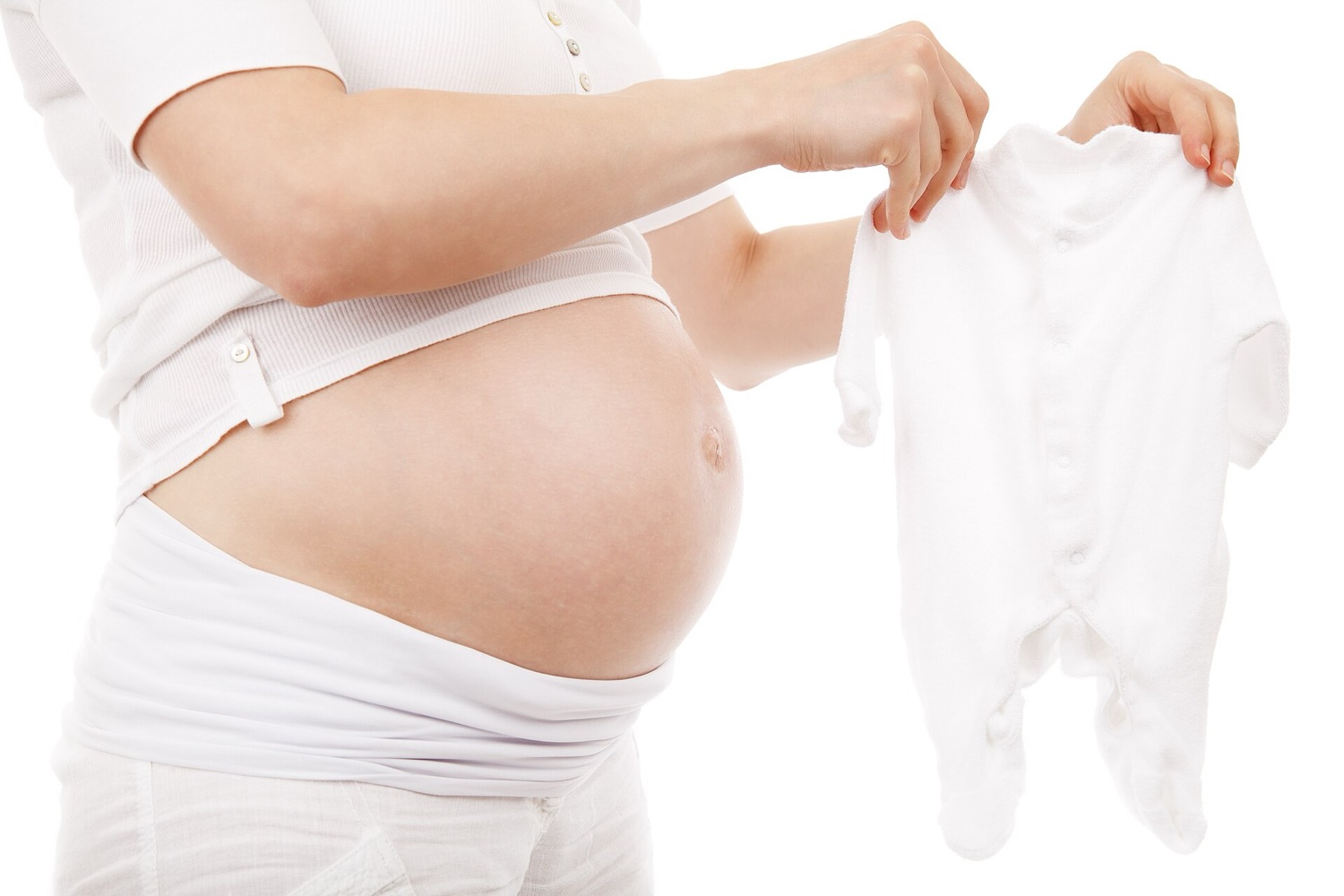
Stopping smoking at any stage of pregnancy helps both parent and baby, and the earlier the better. Second-hand smoke matters too: there is no safe level of exposure, especially for babies and children.
How smoking affects pregnancy
When a pregnant person smokes, carbon monoxide and other chemicals reach the baby through the bloodstream, reducing the oxygen supply and affecting growth. Health bodies including the NHS and the CDC link smoking in pregnancy to a higher risk of:
- miscarriage and stillbirth;
- premature birth and low birth weight;
- problems with the placenta;
- sudden infant death syndrome (SIDS);
- some birth defects, such as cleft lip or palate.
It's never too late in pregnancy to stop
Quitting early in pregnancy brings the greatest benefit, but stopping at any point reduces risks. Within a day of stopping, the baby gets more oxygen as carbon monoxide clears from the parent's blood. Midwives, obstetricians and family doctors are used to helping people quit, without judgement, and many health systems run dedicated stop-smoking support for pregnant people and their partners.
Can you use nicotine replacement in pregnancy?
Guidance varies by country. In the UK, the NHS says licensed nicotine replacement therapy can be used in pregnancy if it helps you stop, because it is much safer than smoking: it gives nicotine without the carbon monoxide and other toxins. Many clinicians suggest shorter-acting products such as gum or lozenges, or removing a patch overnight. Prescription stop-smoking medicines are not usually recommended during pregnancy. Always discuss options with your midwife, doctor or pharmacist. See nicotine replacement therapy explained.
Second-hand smoke: no safe level
Second-hand smoke is the mix of smoke from the burning end of a cigarette and smoke breathed out by the smoker. The US Surgeon General concluded in 2006 that there is no risk-free level of exposure. The WHO estimates that second-hand smoke causes more than a million deaths a year worldwide.
| Who | Main risks linked to second-hand smoke |
|---|---|
| Babies | Higher risk of SIDS, chest infections and breathing problems. |
| Children | More asthma attacks, ear infections, bronchitis and pneumonia. |
| Pregnant people | Lower birth weight in babies. |
| Adults | Heart disease, stroke and lung cancer in non-smokers. |
Opening a window or smoking in another room doesn't protect others; smoke lingers in the air and on surfaces. The most effective step is a completely smoke-free home and car. A growing number of countries and states ban smoking in cars carrying children.
Workers and second-hand smoke
Second-hand smoke is also a workplace issue. Bar staff were among the people who benefited most from smoke-free laws, and studies after bans in places such as Scotland found improvements in bar workers' respiratory health. Casino dealers in venues where smoking is still allowed are now at the centre of the same debate; see smoke-free casinos and the smoking-ban debate.
Breastfeeding
Breastfeeding is still recommended even if a parent smokes, because its benefits are significant, but smoking reduces milk supply and nicotine passes into breast milk. Quitting, or at least never smoking near the baby and smoking after rather than before feeds, reduces harm. Again, your midwife or health visitor can help you plan.
Partners can make a big difference. If you both smoke, quitting together makes it easier for both of you. Read helping someone else quit.