
Nicotine Replacement Therapy: Patches, Gum and More
Date: July 15, 2026
From: Stop Smoking Guru
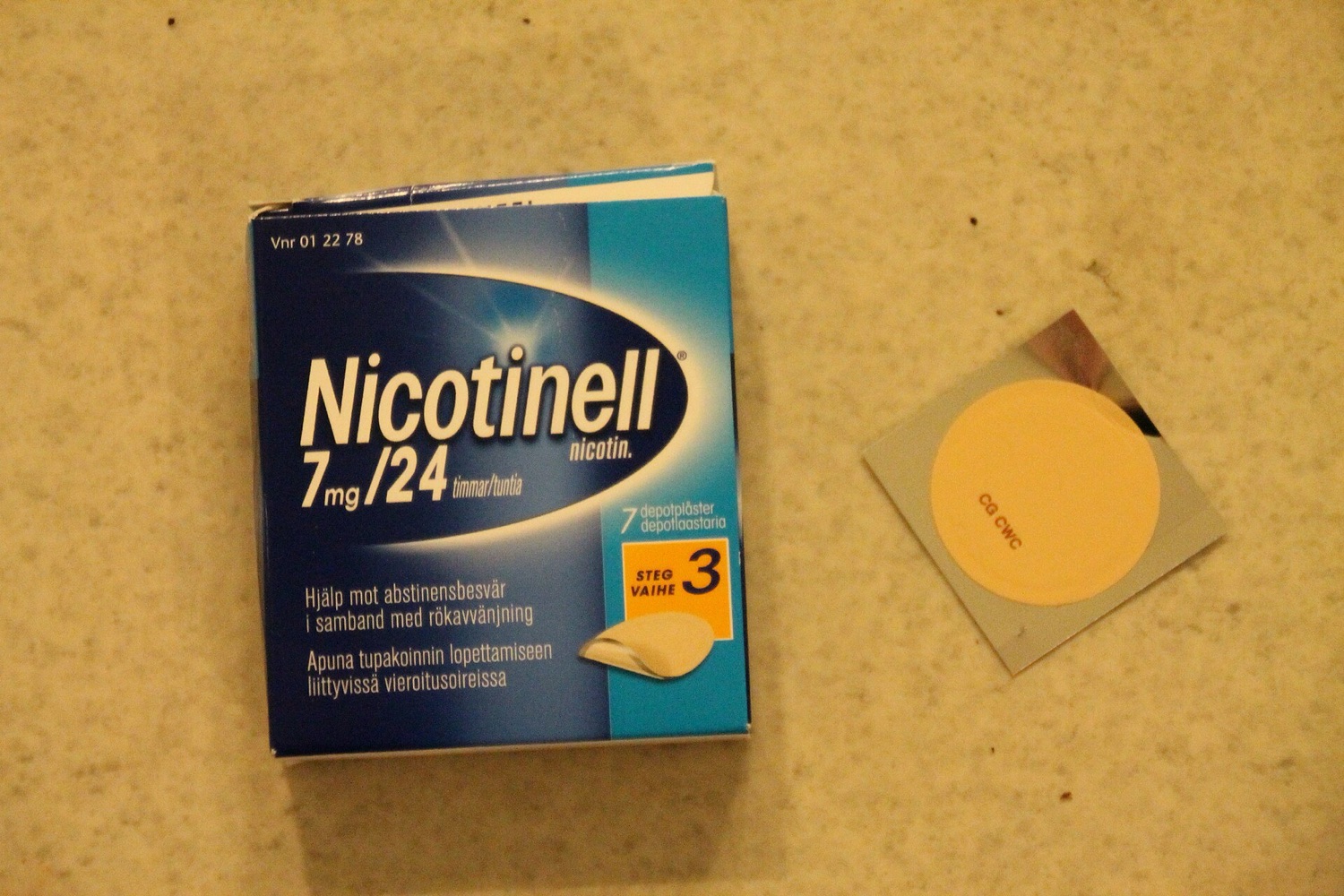
Nicotine replacement therapy (NRT) gives your body nicotine without the tar, carbon monoxide and other toxic chemicals in cigarette smoke. It eases withdrawal and cravings while you break the habit, and it's one of the best-studied quitting aids there is.
Does it work?
Yes. Large reviews of clinical trials, including those by the Cochrane Collaboration, have found that all licensed forms of NRT increase the chances of quitting, by roughly half to two-thirds compared with placebo. Using two types together, a patch plus a fast-acting product, works better than a single type. NRT is available without a prescription in many countries, and some health services provide it free or at reduced cost.
The types of NRT
| Product | How it's used | Good for |
|---|---|---|
| Patch | Worn on the skin, releases nicotine slowly over 16 or 24 hours. | Steady background level; easy to remember. |
| Gum | Chew until the taste is strong, then "park" it between cheek and gum; repeat. | Sudden cravings; keeping the mouth busy. |
| Lozenge / mini lozenge | Dissolve slowly in the mouth. | Discreet, quick relief. |
| Mouth spray | Spray into the mouth; acts within minutes. | The fastest relief for strong urges. |
| Inhalator | A plastic mouthpiece holding a nicotine cartridge; you puff on it. | People who miss the hand-to-mouth action. |
| Nasal spray | Spray into the nose (not available everywhere). | Heavy smokers needing fast relief. |
Getting the dose right
One of the most common mistakes is using too little NRT, or stopping too soon. Heavier smokers usually need the higher-strength patch and frequent doses of fast-acting products. Products are labelled with dosing guidance, and a pharmacist can help you choose. Use NRT regularly rather than waiting until cravings are unbearable; a fast-acting product works best when used at the first sign of an urge or before a known trigger, like a night out.
How long to use it
A typical course lasts around 8 to 12 weeks, often stepping down to lower strengths towards the end. Some people use it for longer, and that's generally considered much better than going back to smoking. Your pharmacist or stop-smoking adviser can help you taper off.
Side effects
- Patches: skin irritation (move the patch to a new spot each day), vivid dreams or disturbed sleep with 24-hour patches.
- Gum and lozenges: hiccups, indigestion or a sore jaw, usually from chewing too fast.
- Sprays: throat or nose irritation at first.
- Too much nicotine can cause nausea, dizziness or a racing heart. If that happens, reduce the dose.
Who should check first
NRT is suitable for most adults. Check with a doctor or pharmacist if you are pregnant or breastfeeding (see smoking and pregnancy), have had a recent heart attack or stroke, have diabetes, kidney or liver problems, or are under 18. In most cases, NRT is still much safer than continuing to smoke.
NRT on a night out
Social situations are where many quit attempts wobble. Before a party, a long evening at a bar or a casino trip, put a fresh patch on and carry gum, lozenges or a mouth spray. Tony's tips for that are in staying smoke-free on a Las Vegas trip.
Prefer a prescription option? Compare stop-smoking medicines. Wondering about vapes instead? See vaping as a quitting tool.