
Smoker's Cough After Quitting: How Long It Lasts
Date: August 3, 2026
From: Stop Smoking Guru

It seems unfair: you stop smoking to protect your lungs and, a week later, you're coughing more than ever. For many people this is a sign of recovery, not damage. But it's worth knowing what's normal and what isn't.
Why smokers cough
Your airways are lined with tiny hair-like structures called cilia, which move mucus, dust and germs up and out of the lungs. Tobacco smoke irritates the airways, makes them produce extra mucus and slows or damages the cilia. Without that cleaning system working properly, the body relies on coughing to clear the lungs, which is why many long-term smokers have a cough that's worst in the morning.
Why the cough can get worse after quitting
Once you stop, the cilia start to recover. As they get back to work they begin moving the built-up mucus out, and you cough it up. Many people notice this in the first few weeks after quitting. It's sometimes called a "quitter's cough", and it usually settles as the lungs clear.
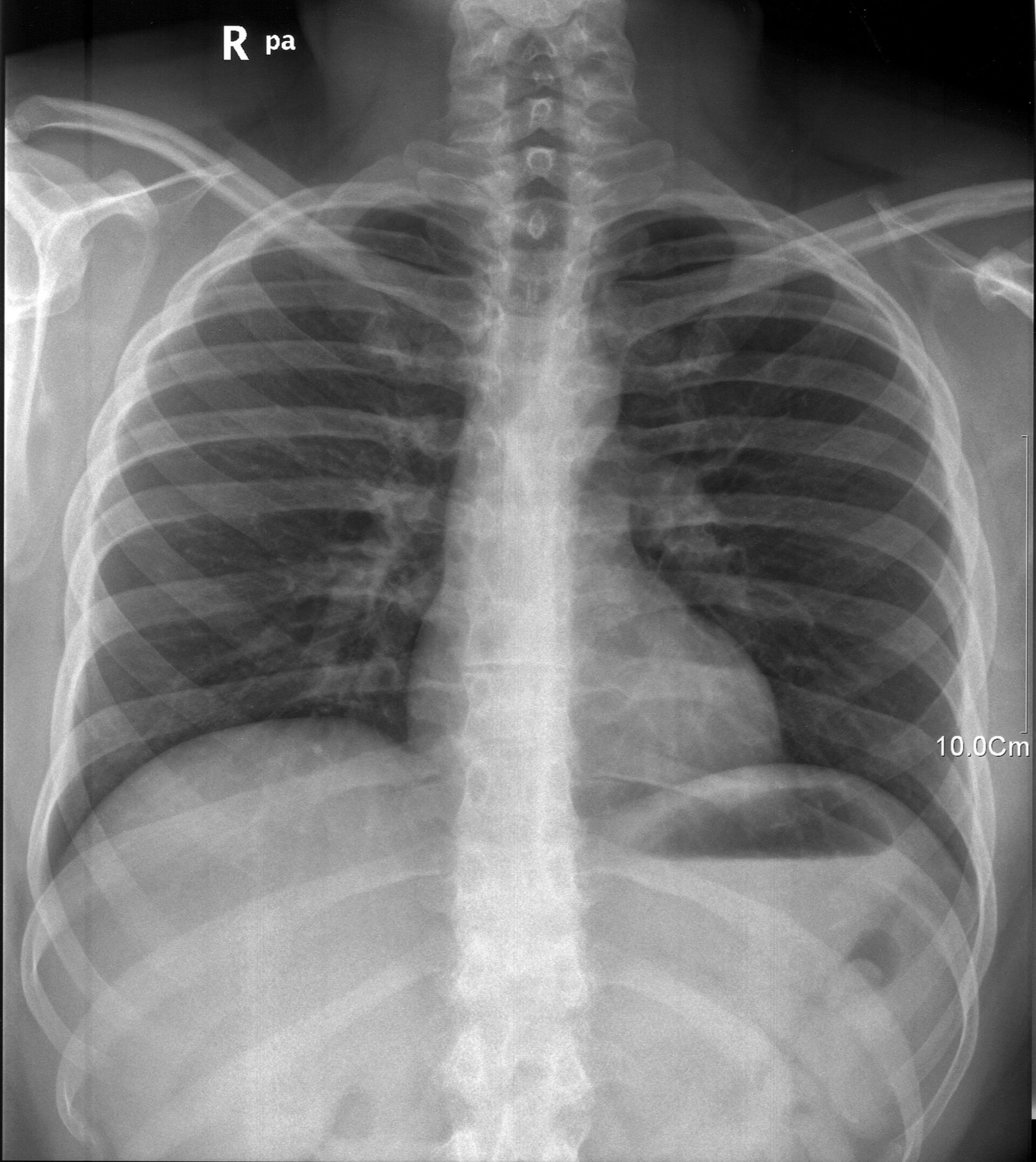
How long does it last?
For most people, coughing and shortness of breath improve over the first few months. The WHO notes that coughing and shortness of breath decrease within about one to nine months of quitting. People who smoked heavily for many years, or who have lung conditions such as COPD or asthma, may find it takes longer, and some cough will remain if lung damage has occurred.
Ways to ease it
- Drink plenty of water. It helps thin mucus so it's easier to clear.
- Warm drinks and honey. Hot water with lemon and honey can soothe the throat (honey is not suitable for babies under one).
- Steam. A hot shower can loosen mucus.
- Stay active. Walking and gentle exercise help the lungs work and clear.
- Avoid smoke and irritants. Second-hand smoke, strong fumes and very dusty places can set you back. That includes smoky bars and casino floors; see our list of smoke-free casinos if that's your kind of night out.
- Sleep with your head slightly raised if night-time coughing keeps you awake.
When to see a doctor
A cough after quitting is common, but don't assume every cough is the "good" kind. Health services such as the NHS advise seeing a doctor if:
- your cough lasts more than three weeks;
- you cough up blood;
- you have chest pain, increasing breathlessness or wheezing;
- you lose weight without trying, or have night sweats or a persistent hoarse voice;
- you have a high temperature or feel very unwell.
Long-term smokers and ex-smokers are at higher risk of lung disease, and getting a persistent cough checked is sensible. In some countries, lung cancer screening programmes are offered to older people with a long history of smoking; ask your doctor whether you qualify.
Can you "detox" your lungs?
You'll find plenty of products claiming to cleanse the lungs after smoking. There's no good evidence that special teas, supplements or "detox" kits speed up lung recovery. The body does the cleaning itself once you stop putting smoke in. The best things you can do are to stay smoke-free, keep active and avoid other people's smoke. See the full timeline in what happens to your body after you quit.