
The Evening Cigarette: Why One Smoke Feels So Good
Date: October 17, 2007 (updated September 1, 2026)
From: Tony

A quiet evening. You have just finished the day's work and you are browsing the web. The movements are smooth, because you have made them countless times before. You reach for the pack, take one out and light it. The first drag fills you with a sense of calm. You don't even think about it. You simply enjoy it. Sound familiar?
What if I told you that you will never live through that moment again? What is your first reaction? Rejection? Shock? Bitter amusement?
A cigarette is not the end of the world, right? You can quit any time you want, right? Honestly, for most smokers the answer is no. You can't quit this very minute, and you probably can't imagine your life without cigarettes. I couldn't either.
Why I want you to feel hope
Yes, hope. You have heard it a thousand times: smoking is bad for you. It's the mantra everyone keeps pushing down your throat. What they forget to mention is that smoking is addictive, and that the trouble you have stopping is not a weakness of character. It is chemistry, habit and routine working together. Once you understand how they work, you can start taking them apart.
What happens in that first drag
When you take the first puff, a lot of small mechanisms fall into place. Nicotine reaches your brain within seconds, faster than if it were injected into a vein. There it triggers the release of dopamine, the chemical messenger linked to pleasure and reward, along with other brain chemicals that affect mood, alertness and appetite. For a short while you feel calmer and more focused. Then the level drops and your brain starts asking for the next one.
Cigarettes can't be drugs, can they? Unfortunately nicotine is exactly that, and a sneaky one. Health bodies such as the World Health Organization describe tobacco dependence as a chronic condition, and the US Surgeon General has long classed nicotine as addictive in the same sense as other drugs of dependence. The calm you feel from that evening cigarette is, to a large extent, relief from the restlessness that the previous cigarette set up. I explain the science in plain words in why nicotine is so addictive.
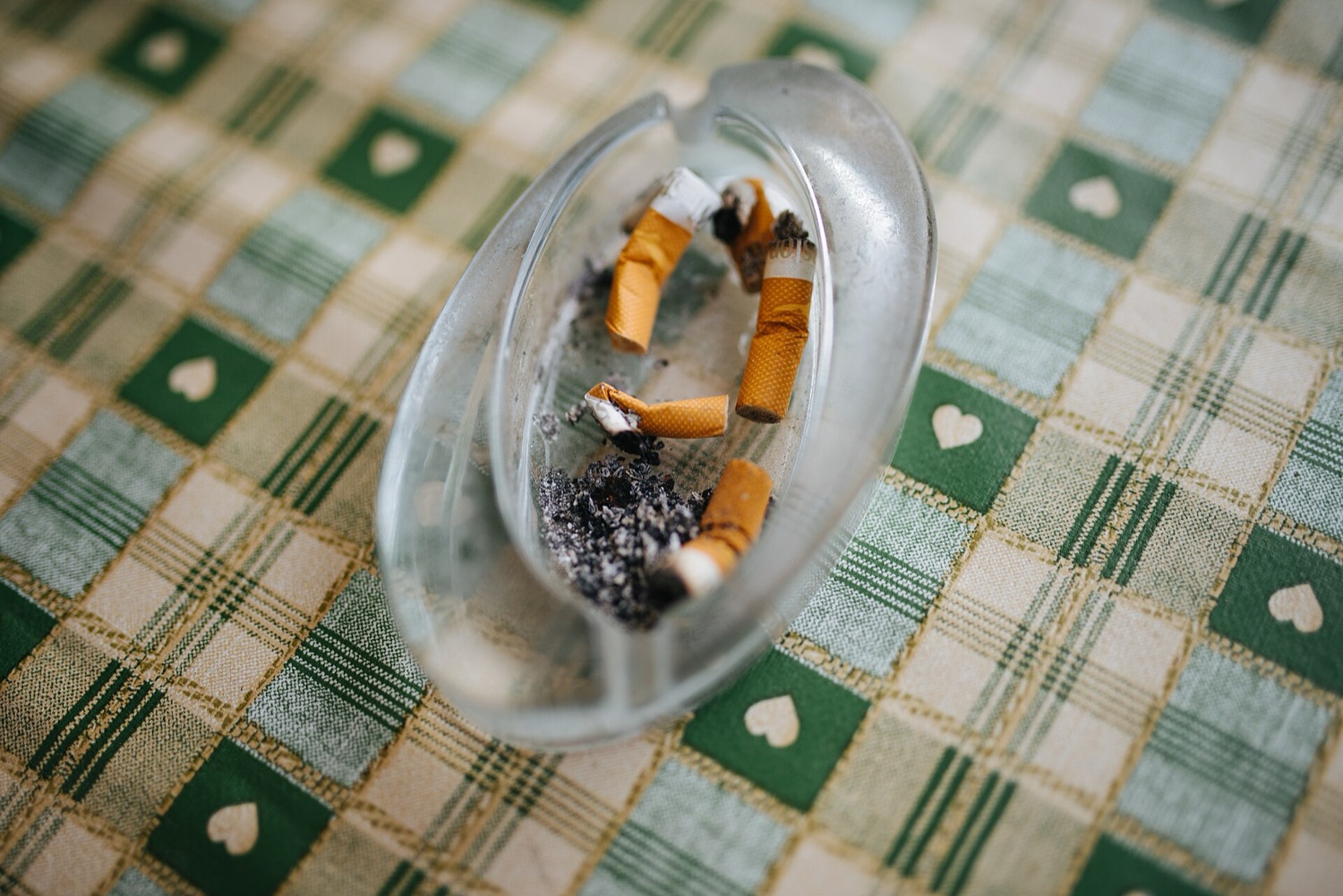
A small experiment
If you don't believe me, try this: go eight waking hours without a cigarette. Most smokers notice it well before the eight hours are up. You get irritable and restless, it's hard to concentrate, you feel anxious or low, and you think about cigarettes far more than you would like. Some people sleep badly or feel hungrier. That is what nicotine withdrawal feels like. It is unpleasant, but it is temporary, and it is not dangerous. Our withdrawal timeline shows how long each symptom usually lasts.
There is a way out
As you may have guessed, I am a former smoker. I quit and never looked back. On this site I want to show you the big picture: where the soft spot in the habit is, how to push it and how to break free. I'm not a doctor and I won't pretend to be one, so the health facts here follow what the big public health organisations say. What I can add is the view from someone who has sat in that chair at the end of the day with a cigarette in his hand.
- Read why I quit and why my way of doing it is not one I would wish on anyone.
- Compare the ways to quit, from cold turkey to medicines and support.
- Build your own plan with Break your way to freedom.
Picture the evening without the cigarette: the same quiet, the same screen, just you, breathing a little easier. That is where we are going.