
Why I Quit: My Father, Lung Cancer and the Day I Stopped
Date: October 24, 2007 (updated September 1, 2026)
From: Tony
A sceptical eyebrow should be going up about now. Here's another guy who wants to tell me his life story, and he even calls himself a guru. Fair enough. Let me explain where I'm coming from.
The advantage I wouldn't wish on anyone
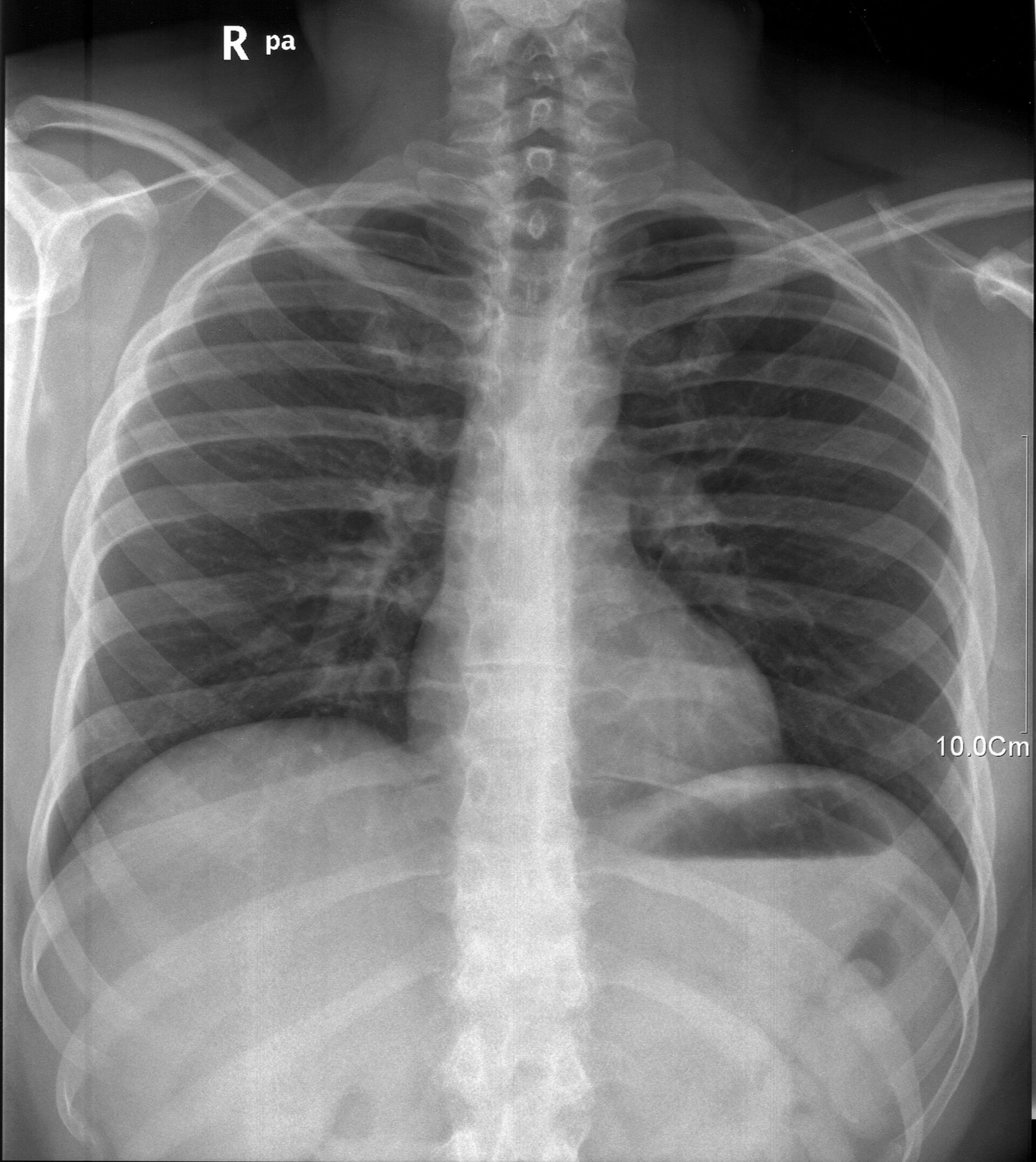
When I gave up smoking I had an advantage, the kind I would never wish on anyone. That year my father died of lung cancer. It was not a pretty sight. Watching someone you love lose their breath, month after month, is something you don't forget. For me it acted like a shock, a shock that made me quit on the spot. I have not touched a cigarette since.
You have probably never had to go through anything like that, and I honestly hope you never will. That is exactly why I don't hold up my story as a method. A shock can make you stop, but most people who quit successfully do it with a plan, support and, often, medicine, not with a tragedy. If you are waiting for a wake-up call, please don't. Use mine instead.
What smoking does to lungs
Lung cancer is the disease most people link with smoking, and for good reason. Public health agencies such as the US Centers for Disease Control and Prevention (CDC) estimate that cigarette smoking is behind the large majority of lung cancer deaths. But it's only part of the story. Smoking also causes chronic obstructive pulmonary disease (COPD), heart disease and stroke, and cancers of the mouth, throat, oesophagus, bladder, pancreas and more. The World Health Organization estimates that tobacco kills more than eight million people a year worldwide, including over a million non-smokers exposed to second-hand smoke.
The good news, and I want you to hear this part loudest, is that the body starts repairing itself quickly once you stop, and the risks keep falling for years afterwards. That is true even if you have smoked for decades. See what happens to your body after you quit.
A fight that takes place inside you
For me, simply quitting was not enough. I wanted to understand why it had been so hard for so long, and why so many smart people around me kept trying and failing. So I read: health service leaflets, research summaries, books by doctors and former smokers, forums full of people on day three and day three hundred.

What I learned is that the fight is real but winnable. Nicotine withdrawal fades within weeks. Cravings get shorter and further apart. Most of the battle is about habits and triggers, which you can plan for.
About that "guru" title
The name of this site goes back to the original Stop Smoking Guru e-book I wrote years ago. I'll be honest: I don't sell anything here any more, and I have no medical qualifications. "Guru" just means someone who has walked the road and read a lot about it. The health guides on this site follow the consensus of organisations like the WHO, the UK's NHS and the CDC, and when something is uncertain I say so. When it comes to medicines or health conditions, your doctor or pharmacist has the final word.
Where to start
- Not sure you're ready? Read The evening cigarette first.
- Ready to pick a method? See ways to quit smoking compared.
- Want a step-by-step plan? Go to Break your way to freedom.